
The Journey’s Economy
News of the WorldThis thread follows the material pressures that shape Kidd’s route, from postwar scarcity and reading fees to improvised ammunition and the wagon’s cost.
increasing Bearing strength in each event
 decreasing
Bearing strength in each eventdecreasingGold for the Delivery
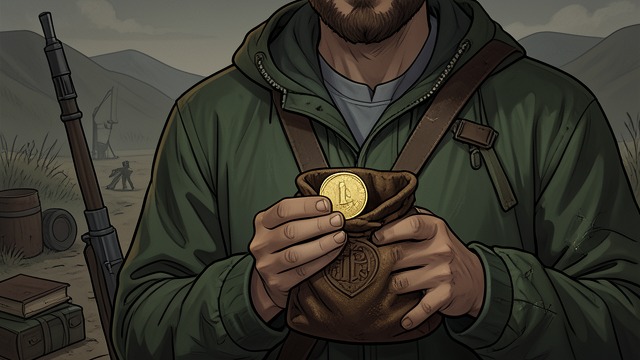
Gold for the Delivery
A payment with a purpose
Britt gives Kidd the family’s fifty-dollar gold piece, intended to fund Cicada’s return to Castroville. The money is substantial in a region short of reliable currency and supplies.
The journey’s first purchase
Kidd uses the coin to buy the green excursion wagon. The payment becomes transport, shelter, and a conspicuous reminder that the child’s return has been converted into a practical bargain.
Dimes at the Door
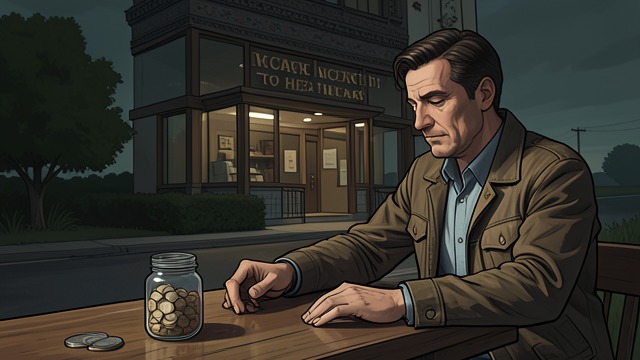
Dimes at the Door
Small fees sustain travel
Kidd collects coins from listeners who pay to hear the news. His income depends on audiences in towns where printed papers are scarce or difficult to read.
A fragile livelihood
The fees support food, lodging, and onward travel, but a single poor reading can leave him short. His work joins cultural service to immediate economic necessity.
Short Supplies in Dallas
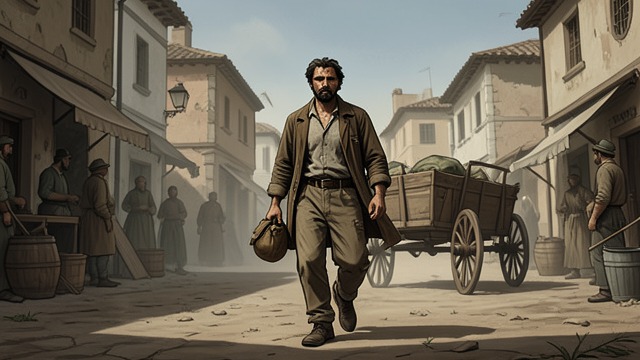
Short Supplies in Dallas
Money runs low
After paying for the wagon, lodging, and supplies, Kidd cannot afford a holster or extra ammunition. He leaves Dallas with limited protection and few options for resupply.
Poverty becomes tactical
The shortage later shapes the confrontation at Carlyle Springs. Economic hardship is not background decoration; it determines what weapons and choices Kidd has when the attack comes.
Fees Amid Political Disorder
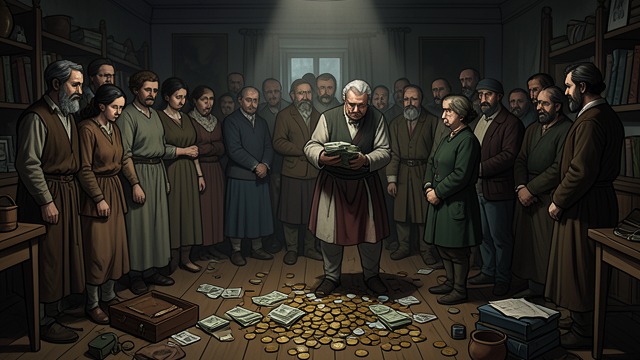
Fees Amid Political Disorder
A disrupted performance
Kidd reads in a tense town where political arguments quickly overwhelm the program. The crowd’s fight spills coins across the floor and damages the mercantile.
Necessary recovery
Kidd gathers his earnings because the journey cannot continue without them. The scene shows a caregiver forced to treat money as essential even while violence makes earning it dangerous.
The Wagon’s Lasting Role
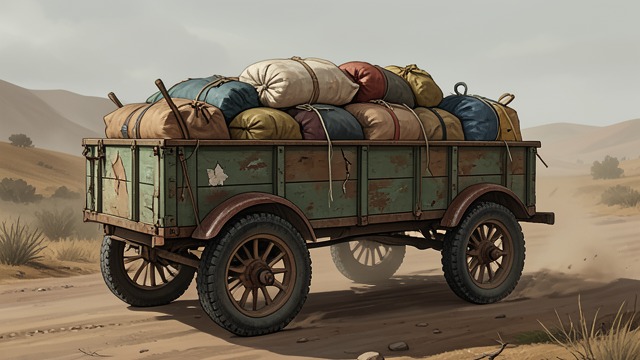
The Wagon’s Lasting Role
A purchase outlives its purpose
The Curative Waters wagon carries Kidd and Cicada across rivers, towns, and dangerous country. Its patched condition and cracked tire reflect the strain of the long route.
Material object as history
The wagon remains a visible record of the journey and the resourcefulness required to complete it. Its later repairs show that survival depends on keeping ordinary tools usable.
Winter 1870, Wichita Falls
Winter 1870, during the Wichita Falls reading
Early March 1870, before Almay’s offer
March 1870, at the Durand reading
From the return journey through Kidd’s later travels
